
Southeast Asia packing list for one month
A practical one-month packing list should cover six categories: clothing, footwear, toiletries, electronics, documents, and small travel accessories.
The quantities below assume access to laundry approximately once a week and a trip involving everyday sightseeing, cities, and some beach activities.
| Category | What to pack | Quantity |
|---|---|---|
| Tops | Lightweight T-shirts or casual tops | 5 |
| Bottoms | Shorts, skirts, or lightweight trousers, including one pair of long trousers | 3 total |
| Long-sleeved layer | Lightweight shirt or overshirt | 1 |
| Underwear | Comfortable everyday underwear | 7–8 |
| Socks | Suitable for your footwear and activities | 3–5 pairs |
| Sleepwear | Lightweight sleepwear | 1–2 sets |
| Swimwear | Swimsuit or swim shorts | 1–2 |
| Rain protection | Packable rain jacket | 1 |
| Footwear | Walking shoes and sandals | 2 pairs |
| Toiletries | Personal hygiene and skincare essentials | As needed |
| Electronics | Phone, charger, adapter, power bank | As needed |
| Documents | Passport, entry documents, payment methods | As required |
| Accessories | Day bag, laundry bag, optional dry bag | As needed |
Packing principle: Choose items that serve more than one purpose. A lightweight long-sleeved shirt, for example, may be useful for sun protection, cooler evenings, and visits to places with clothing requirements.
This list is a starting point, not a universal allowance. Travelers visiting cooler highlands, hiking extensively, or attending formal events may need additional items.
How many clothes should you pack for 30 days in Southeast Asia?
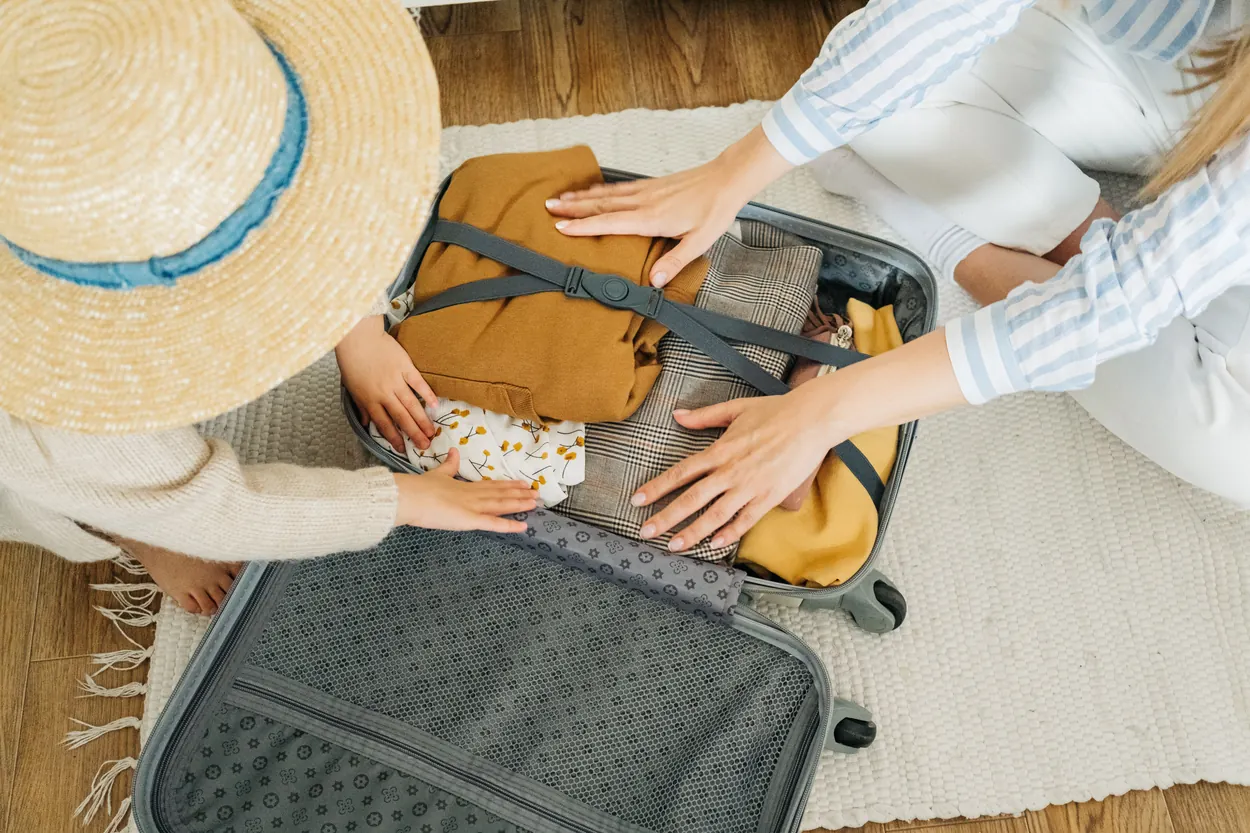
Pack approximately one week's worth of clothes for a 30-day trip if you can do laundry regularly. You don't need a separate outfit for every day.
Use the quantities in the packing table above as your starting point, then adjust for your activities and access to laundry.
Choose clothing for heat, humidity, and changing weather
Lightweight, breathable clothing is generally useful in warm and humid conditions. Prioritize comfort, ease of washing, and drying time.
- Quick-drying tops for frequent travel days.
- Lightweight trousers for sun protection and visits to religious sites.
- Comfortable walking shoes for cities and sightseeing.
- Sandals for casual activities where appropriate.
- A packable rain layer for wet conditions.
Avoid buying an entirely new wardrobe unless your existing clothes are unsuitable for the trip.
What should you wear when visiting temples?
Bring clothing that can cover your shoulders and knees when required. Dress expectations vary between temples, religious sites, and countries, so check the rules for specific places you plan to visit.
Lightweight long trousers, a longer skirt, or a suitable overshirt can provide flexible options without adding much luggage. Don't assume that a sarong or wrap will be accepted as a substitute for appropriate clothing at every site.
Essential toiletries and health items
Bring essential personal-care products and enough of any specialized items you cannot reliably replace during your trip. Everyday toiletries may be available locally, but availability varies by destination.
Toiletries checklist
- Toothbrush and toothpaste
- Deodorant
- Shampoo and conditioner, if needed
- Soap or body wash
- Sunscreen
- Insect repellent
- Hairbrush or comb
- Personal hygiene products
- Glasses or contact-lens supplies, if needed
- Small first-aid kit
- Prescription medication and supporting documentation, where required
Travelers with prescription medication should check destination-specific import restrictions before departure. Some medicines that are routinely prescribed in one country may be regulated differently elsewhere.
For destination-specific health information, consult a travel-health professional ideally four to six weeks before departure, particularly if you may need vaccinations or other preventive care.
Official resources: CDC Travelers' Health (US) and TravelHealthPro (UK).
Electronics and travel documents checklist
Keep essential documents, medication, valuables, and important electronics accessible during your journey. Confirm airline restrictions before deciding which items belong in your cabin or checked baggage.
Electronics
- Smartphone and charging cable
- Suitable travel adapter
- Power bank
- Earphones or headphones
- Laptop and charger, if needed
- Camera and accessories, if needed
- Secure backups of important information
Power banks and spare lithium batteries must be carried in cabin baggage, not checked baggage. Battery capacity restrictions and additional airline requirements may apply. If your carry-on bag is checked at the gate, remove your power bank and spare batteries.
Source: Federal Aviation Administration — Airline Passengers and Batteries.
Documents and money
- Passport or required travel identification
- Visa or other entry authorization, where applicable
- Flight and accommodation confirmations
- Travel insurance details, if purchased
- Payment cards and a backup payment method
- Suitable emergency cash
- Copies of important documents
- Emergency contact information
Entry requirements depend on your passport, destination, transit points, and intended length of stay. Check official requirements for each country before traveling rather than relying on a general Southeast Asia checklist.
Official starting points include GOV.UK Foreign Travel Advice and the US Department of State.
What should you bring from home versus buy in Southeast Asia?
Bring essential, specialized, or immediately needed items from home. Consider buying ordinary replaceable products locally only when you know they are available at your destination.
| Item | Bring or buy locally? | Reason |
|---|---|---|
| Passport and entry documents | Bring | Required for international travel |
| Prescription medication | Bring after checking regulations | Availability and import rules vary |
| Everyday shampoo or soap | Consider buying locally | May be widely available in larger destinations |
| Sunscreen | Bring an initial supply | Preferred formulations may be harder to find |
| Insect repellent | Bring an initial supply | Useful immediately upon arrival |
| Extra casual clothing | Buy only if needed | Reduces unnecessary luggage |
| Travel adapter | Bring | May be needed on arrival |
| Large beach towel | Check accommodation first | Some properties provide towels |
| Umbrella | Optional local purchase | Depends on destination and weather |
Buying locally is not automatically cheaper. Compare convenience, product availability, and likely costs before deciding. For travelers visiting multiple destinations, reducing unnecessary purchases can also make repacking and transport easier.
How often should you do laundry during a month-long trip?
Plan to wash clothes approximately every five to seven days if you pack a week's worth of outfits. Adjust the schedule for weather, physical activity, drying conditions, and your accommodation.
- Accommodation laundry: Some hotels, hostels, and guesthouses provide laundry services or can recommend nearby providers.
- Self-service laundry: Useful where available, particularly during longer stays in towns or cities.
- Handwashing: Practical for a few small items when suitable facilities and drying time are available.
| Travel day | Suggested action |
|---|---|
| Days 1–4 | Rotate everyday clothing |
| Day 5 | Check remaining clean items and laundry options |
| Day 6 | Wash clothes if needed |
| Day 7 | Collect, dry, and repack |
| Repeat | Adjust for the next destination |
Practical tip: If you're changing accommodation frequently, avoid scheduling laundry immediately before an early departure.
Backpack or suitcase: Which is better for a month in Southeast Asia?
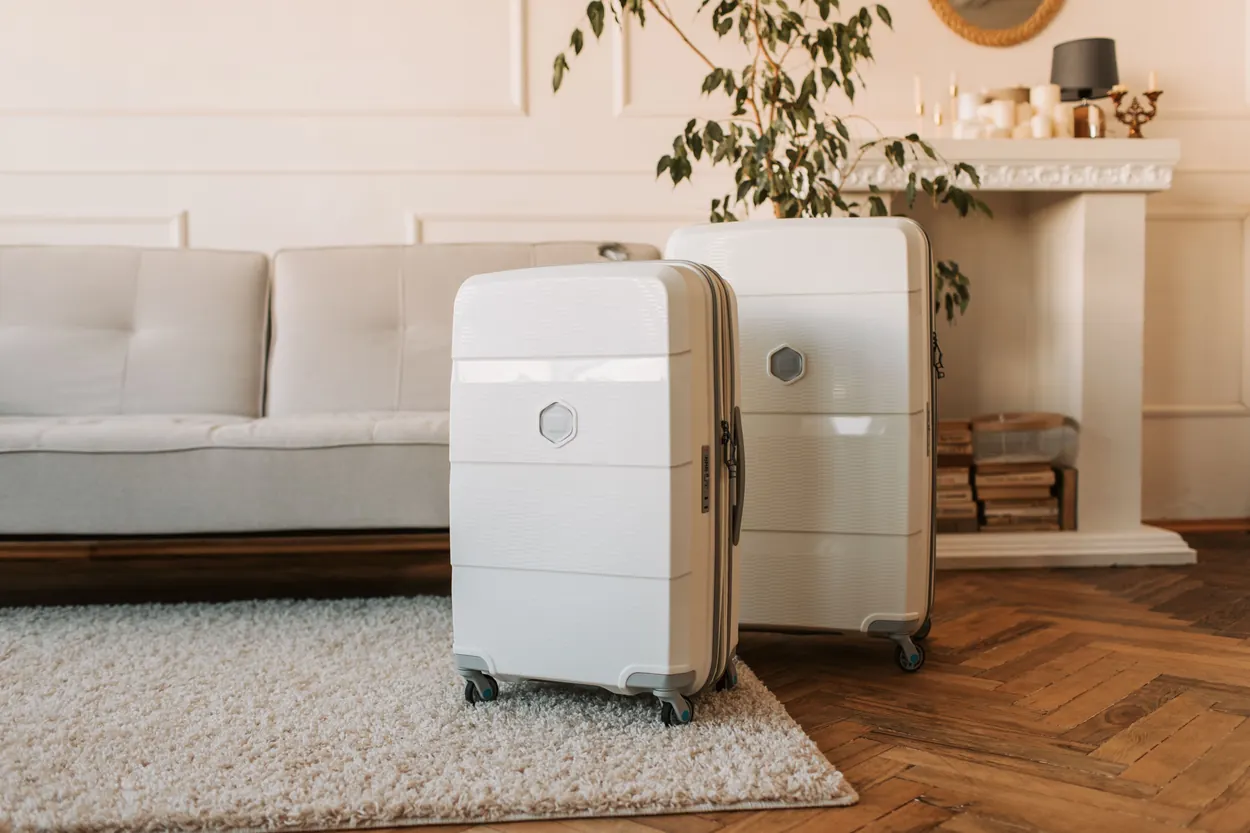
Choose a backpack for frequent transfers and uneven routes, or a wheeled suitcase for longer stays with convenient transport access. Neither is automatically better for the whole region.
| Travel situation | Potentially better option | Why |
|---|---|---|
| Frequent accommodation changes | Backpack | Easier to carry over stairs and uneven surfaces |
| Longer stays in one location | Wheeled suitcase | Less carrying when transport access is convenient |
| Boat transfers and mixed transport | Compact, manageable luggage | Easier to handle during transfers |
| City-based accommodation | Either | Depends on access and personal comfort |
| Carry-on-only travel | Airline-compliant bag | Must meet actual size and weight restrictions |
Before buying luggage, check your airline's dimensions and weight limits, including any connecting flights. A bag marketed as carry-on approved is not guaranteed to comply with every airline.
How should you adjust your packing list for different Southeast Asia destinations?
Adjust your packing list to the activities, elevation, and seasonal conditions of each destination rather than assuming Southeast Asia has one climate.
| Travel itinerary | Packing priorities |
|---|---|
| Beaches and islands | Swimwear, sun protection, dry bag |
| Cities and cultural sites | Walking shoes, versatile clothing, appropriate coverings |
| Highlands and cooler destinations | Warm layer and weather-appropriate clothing |
| Frequent overland travel | Compact luggage and quick-drying items |
| Remote work | Laptop protection, charging equipment, connectivity planning |
What should you pack for rainy season?
Pack a lightweight rain jacket, suitable footwear, and a way to protect electronics from moisture. These are practical starting points for wet-weather travel.
Rainy-season timing varies by country, region, and coast. Check conditions for your actual travel dates instead of relying on one Southeast Asia-wide seasonal calendar.
For outdoor activities or remote destinations, check local forecasts and any applicable weather or travel advisories shortly before departure.
What should you check before leaving for Southeast Asia?
Before departure, confirm entry requirements, airline baggage rules, health guidance, medication restrictions, and access to money and communications. These checks can be more important than adding another item to your suitcase.
Final pre-departure checklist
- Verify entry and transit requirements for every country
- Confirm passport validity requirements
- Review official travel advisories
- Check relevant health guidance
- Confirm medication import restrictions
- Check baggage, liquid, and battery rules
- Save accommodation and transport details
- Download useful offline maps
- Arrange payment methods and emergency access to funds
- Back up essential documents
- Confirm mobile connectivity options
Airport liquid restrictions can vary by airport, including during connections and return journeys. Check the airports on your route rather than assuming the same allowance applies everywhere.
Source: GOV.UK — Hand Luggage Restrictions.
Frequently asked questions
Can you travel around Southeast Asia for a month with carry-on luggage only?
Yes, carry-on-only travel may be practical if you pack a compact wardrobe, do laundry regularly, and don't need bulky equipment. Check the dimensions, weight limits, and restricted-item rules of every airline on your itinerary before choosing your bag.
Should you bring cash or use cards in Southeast Asia?
A combination of payment methods may provide flexibility. Card acceptance, ATM access, withdrawal charges, and cash requirements vary by destination. Research your specific stops and arrange a backup payment method in case your primary card is unavailable.
What is the most important thing to pack for Southeast Asia?
Your passport and any required entry documents are among the most important items, along with essential medication and access to money. These can be more difficult to replace during a trip than ordinary clothing or toiletries.
Final packing advice for a month in Southeast Asia
Pack for your planned activities and laundry schedule, not for every day of the trip. A week's worth of versatile clothing, essential personal items, suitable luggage, and a few practical accessories will be a workable starting point for many month-long itineraries.
Before you leave, customize the list for your destinations, weather, health needs, and baggage allowance.
Get the free editable travel packing checklist
Organize clothing, electronics, travel documents, and pre-departure tasks in one customizable workbook.
Get the free checklist →General travel-planning information only. Entry, baggage and health requirements can change; verify current rules with official sources before departure.